Evidence-driven updates across biotech and AI

Articles, whitepapers and podcasts from our team and advisors.

Whitepapers

Rebuilding a Brittle Market: Regulatory Reform and the Return of Innovation in Osteoporosis

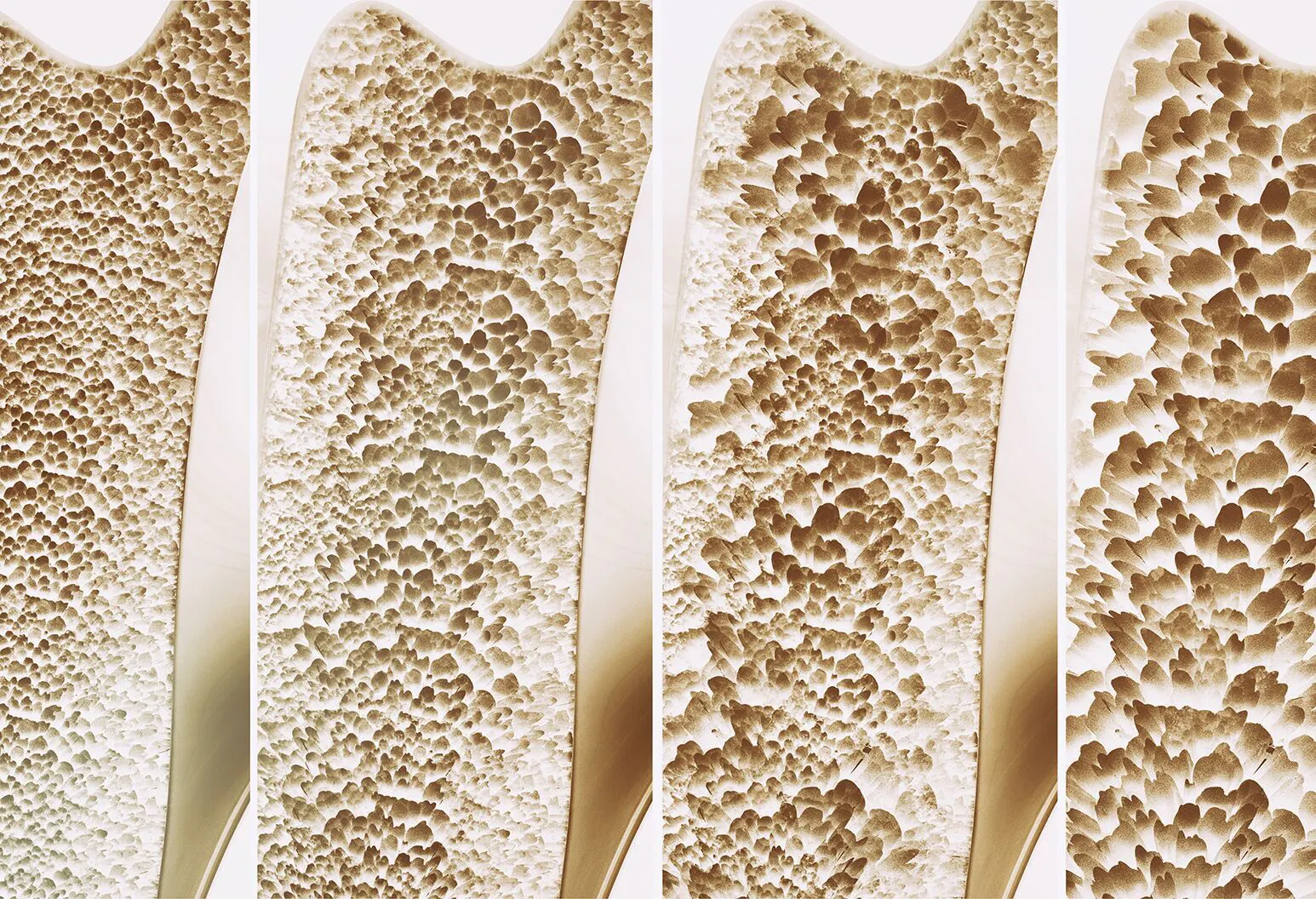
Osteoporosis, a condition where bones become weak and brittle due to loss of bone density, is often seen as a natural part of aging, but it is more accurately a chronic disease caused by disrupted bone remodeling. 10 million Americans over age 50 have osteoporosis, and another 43 million have low bone mass.[1] Despite this, many patients remain undiagnosed and untreated. While existing therapies can reduce fracture risk, they do not provide a safe, effective long-term solution for a disease that develops over decades. Progress in the field has been slowed not only by biology but also by demanding regulatory requirements that de-incentivized innovation. Historically, the FDA required large, lengthy, and expensive phase 3 trials. These trials often involved more than 7,000 patients over 3–5 years to show reductions in fracture risk, even when improvements in bone mineral density (BMD) were observed. In December 2025, the FDA updated its approach, accepting total hip BMD, measured by dual-energy X-ray absorptiometry (DXA), as a validated surrogate endpoint for postmenopausal osteoporosis trials. [2],[3] While this does not solve the underlying biology, it significantly reduces the time, cost, and complexity of clinical development, enabling clinical proof-of-concept in a 24-month trial and making osteoporosis a more attractive area for innovation and investment.

See More

Whitepapers

God Bless the Private Sector: How Private Funding is Bridging the Gap

Publicly funded basic research has long served as the foundation for breakthroughs. Yet proposed federal cuts, including reductions to the NSF and NIH, now threaten the early-stage research that the private sector traditionally does not fund. These changes have already stalled projects, eliminated jobs, and raised concerns about broader delays in scientific progress. At the same time, the United States faces intensifying competition with China, whose sustained investment in early-stage biotech has accelerated its global share of drug development. Although the US retains leadership in total R&D value, the trend signals growing vulnerability, one seemingly at odds with the administration’s broader “America First” agenda. The launch of the Genesis Mission, with its emphasis on AI-enabled science and biotechnology as a domain of national importance, hints at a potential restructuring rather than an abandonment of federal scientific priorities. In this environment, the private sector has emerged as an essential stabilizing force. As public funding recedes, venture capital and philanthropy must intervene earlier in the research lifecycle. This shift can bring rigorous private-sector diligence to basic science, likely focusing resources on fewer projects but with greater efficiency. To handle this complexity, biology-specific AI tools will shift from optional luxuries to indispensable necessities. Ultimately, this disruption offers a chance to modernize our infrastructure: building a resilient ecosystem capable of expanding, not just restoring, American scientific progress.

See More