



 Whitepapers
Rebuilding a Brittle Market: Regulatory Reform and the Return of Innovation in Osteoporosis
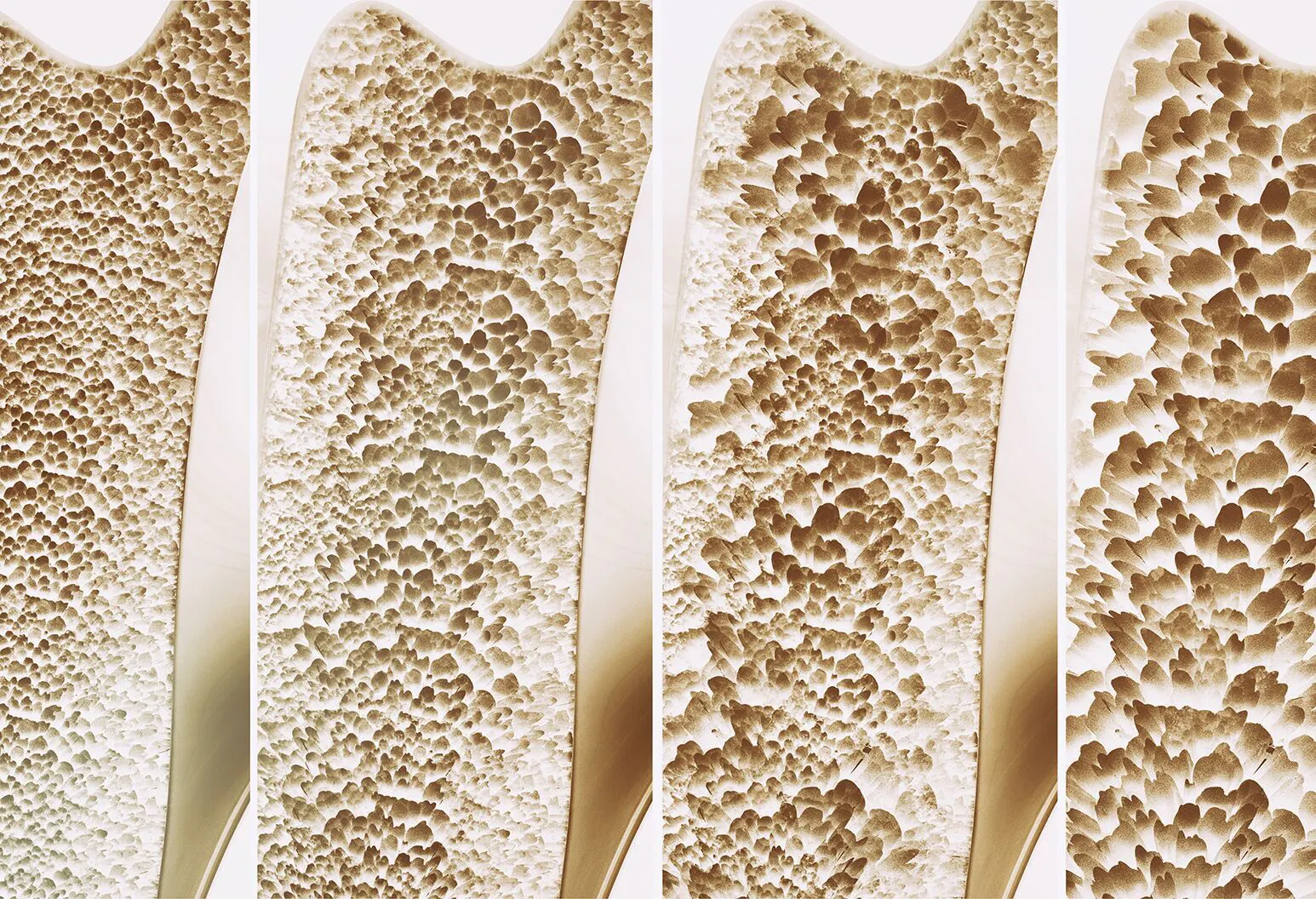
Osteoporosis, a condition where bones become weak and brittle due to loss of bone density, is often seen as a natural part of aging, but it is more accurately a chronic disease caused by disrupted bone remodeling. 10 million Americans over age 50 have osteoporosis, and another 43 million have low bone mass.[1] Despite this, many patients remain undiagnosed and untreated. While existing therapies can reduce fracture risk, they do not provide a safe, effective long-term solution for a disease that develops over decades. Progress in the field has been slowed not only by biology but also by demanding regulatory requirements that de-incentivized innovation. Historically, the FDA required large, lengthy, and expensive phase 3 trials. These trials often involved more than 7,000 patients over 3–5 years to show reductions in fracture risk, even when improvements in bone mineral density (BMD) were observed. In December 2025, the FDA updated its approach, accepting total hip BMD, measured by dual-energy X-ray absorptiometry (DXA), as a validated surrogate endpoint for postmenopausal osteoporosis trials. [2],[3] While this does not solve the underlying biology, it significantly reduces the time, cost, and complexity of clinical development, enabling clinical proof-of-concept in a 24-month trial and making osteoporosis a more attractive area for innovation and investment.
See More